
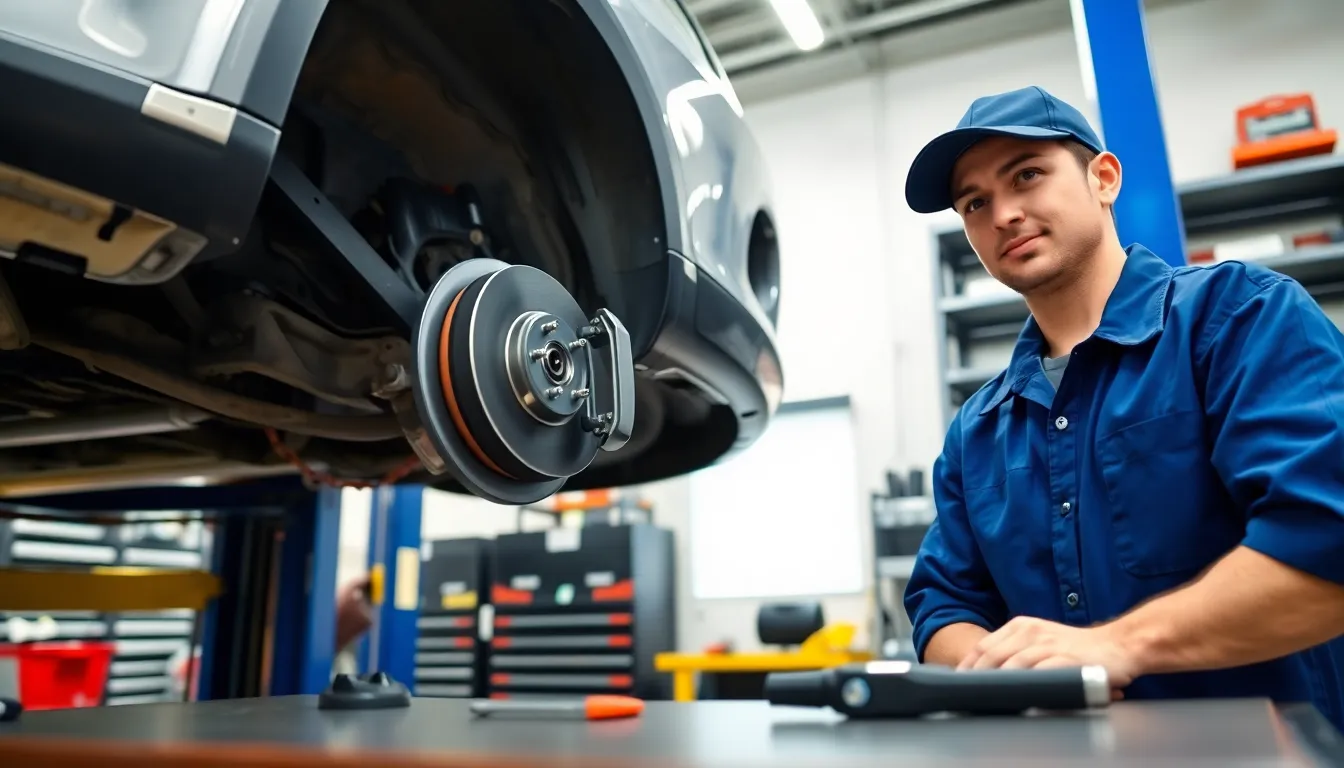
When it comes to the safety of your vehicle, brakes are right at the top of the priority list. If you’ve ever wondered about “auto brakes repair near me,” you’re not alone. It’s like finding the best pizza in town, everyone has a favorite spot. You want quality, reliability, and convenience, all rolled into one. Whether you’re hearing strange noises or feeling vibrations when you brake, this guide will shed light on the crucial aspects of brake repairs, ensuring you can stop on a dime – literally.
Understanding Auto Brakes and Their Importance
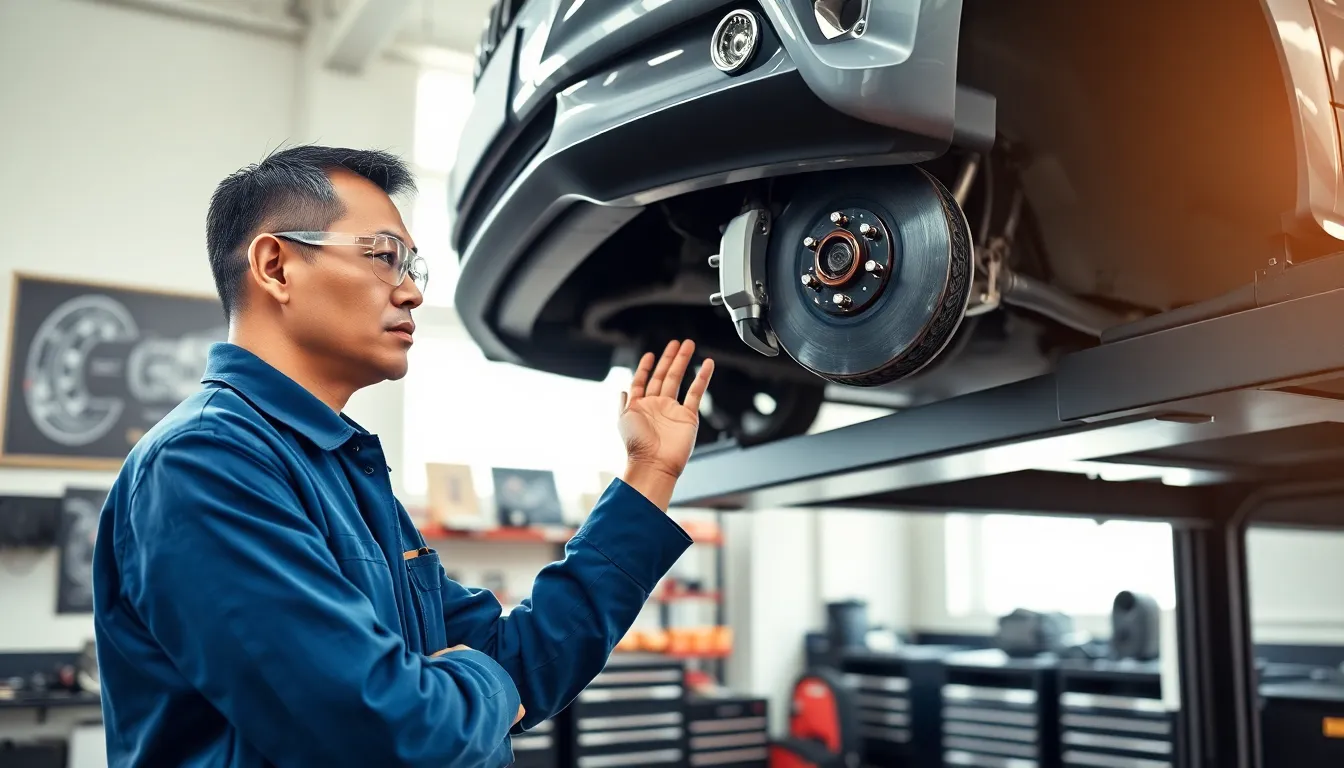
Brakes are the unsung heroes of every vehicle: they’re crucial for preventing accidents and maintaining driving safety. They work on a simple principle: converting kinetic energy into heat energy through friction, which slows down or stops the vehicle. Modern braking systems use advanced technologies such as anti-lock braking systems (ABS), offering not just safety but also stability in various driving conditions. Understanding the importance of brakes helps drivers appreciate the necessity of regular maintenance or timely repairs. Ignoring brake issues can lead to catastrophic failures, endangering not just the driver but everyone on the road.
Common Signs That Your Brakes Need Repair
Recognizing when your brakes need attention can be the difference between a minor inconvenience and a serious incident. Here are some common signs:
- Squeaking or screeching noises: If your brakes are making high-pitched sounds, they could be warning you that the brake pads are worn.
- Vibration or pulsation: This might suggest issues with the rotors, which may need resurfacing or replacing.
- Brake warning light: If the light on your dashboard comes on, it’s time to consult a professional.
- Soft or spongy brake pedal: This could indicate air in the brake lines or worn brake pads.
- Increased stopping distance: If it feels like your vehicle takes longer to stop, your brakes definitely need checking out. Being aware of these signs can prevent potential mishaps, allowing for timely repairs.
Finding Reliable Auto Brake Repair Services
With numerous options for brake repair, finding a trustworthy mechanic can be daunting. To simplify the search, consider these tips:
- Research local shops: Start with online reviews and ratings. Websites like Yelp and Google Reviews can provide insights into customer experiences.
- Ask for recommendations: Friends and family often have great suggestions based on their own experiences. Personal referrals can lead to finding mechanics who are reliable and affordable.
- Check qualifications: Look for certifications from recognized organizations, such as ASE (Automotive Service Excellence), which indicate a high standard of training.
- Get multiple estimates: Don’t settle on the first quote. Comparing prices can ensure you’re getting a fair deal.
- Evaluate customer service: A good mechanic will explain necessary repairs and offer transparency about the costs involved. Listening to your concerns demonstrates their commitment to quality service.
What to Expect During a Brake Repair Service
Scheduling a brake repair service can bring about a mix of anticipation and concern. Here’s what typically happens during the process:
Inspection
Once you arrive at the shop, the mechanic will conduct a thorough inspection of the braking system. This includes checking the brake pads, rotors, and fluid levels.
Recommendations
After the inspection, the mechanic will explain the findings and recommend necessary repairs. It’s essential to ask questions here: a good mechanic will be happy to clarify doubts.
The Repair Process
Once you approve the repairs, technicians will replace or fix the faulty components. This may involve changing brake pads, resurfacing rotors, or flushing brake fluid, depending on the diagnosis.
Test Drive
After repairs are completed, the technician often takes the vehicle for a test drive. This step ensures that the brakes are functioning correctly before returning the car to the owner.
FAQs About Auto Brake Repair
Q: How long does a brake repair take?
A: It typically takes 1-3 hours, depending on the severity of the issue.
Q: Is it safe to drive with bad brakes?
A: No, driving with faulty brakes is incredibly risky, seek professional help immediately.
Cost Factors for Brake Repairs
Understanding the costs involved in brake repairs is essential for budgeting. Here are the main factors that influence the price:
- Type of repair: Simple tasks like pad replacement are cheaper than rotor resurfacing.
- Vehicle make and model: Luxury or foreign cars often have higher repair costs due to specialized parts.
- Labor costs: Rates can vary significantly by location, depending on the mechanics’ expertise and the shop’s overhead.
- Parts quality: Choosing OEM (original equipment manufacturer) parts can be pricier than generic ones, but they often provide better performance.
- Location: Urban areas might have higher service fees than rural ones.
Knowing these factors will lead to a more informed conversation with your mechanic.