
When it comes to buying a car, reliability is the name of the game. After all, no one wants their vehicle to break down faster than a bad joke at a party. Car reliability reviews are the secret sauce that helps buyers navigate the often bumpy road of car ownership. They provide insights into which models can withstand the test of time and which ones might leave you stranded in the middle of nowhere, wondering if you should’ve just bought a bicycle instead.
In a world where flashy features often steal the spotlight, it’s the dependable cars that truly shine. Whether it’s a family road trip or a quick jaunt to the grocery store, knowing your car won’t throw a tantrum is priceless. Dive into the world of car reliability reviews and discover which vehicles deserve a gold star and which ones are better left on the lot.
Overview of Car Reliability Reviews
Car reliability reviews serve as essential guides for prospective vehicle buyers. They analyze various makes and models, focusing on aspects like durability and dependability. Reviewers gather data from experienced owners, revealing insights into common issues and maintenance frequency.
Factors influencing reliability ratings include manufacturer reputation, historical performance, and user feedback. Notable sources for these reviews include Consumer Reports, J.D. Power, and specialized automotive publications. Each source employs rigorous testing methods to produce trustworthy assessments.
Reviews frequently highlight areas where certain models excel. Fuel efficiency, comfortable rides, and minimal repair needs often receive praise. Meanwhile, they also disclose potential drawbacks, such as expensive repairs or frequent recalls for specific vehicles.
In comparison, flashy features might entice buyers, yet reliability remains paramount in everyday use. High maintenance costs often overshadow short-term appeal from advanced technology. Buyers benefit from examining reliability reviews that prioritize long-term ownership experience over aesthetic qualities.
Car reliability reviews provide a comprehensive overview of ownership experiences across different vehicle types. Consumers can compare sedans, SUVs, and trucks, identifying which models consistently perform well. The value of this information lies in its potential to save buyers from costly mistakes down the road.
Overall, accessing updated car reliability reviews enables informed decision-making. Prioritizing durability over superficial features ultimately enhances long-term satisfaction. These reviews continue to be invaluable resources for navigating the complexities of car purchasing.
Factors Influencing Car Reliability
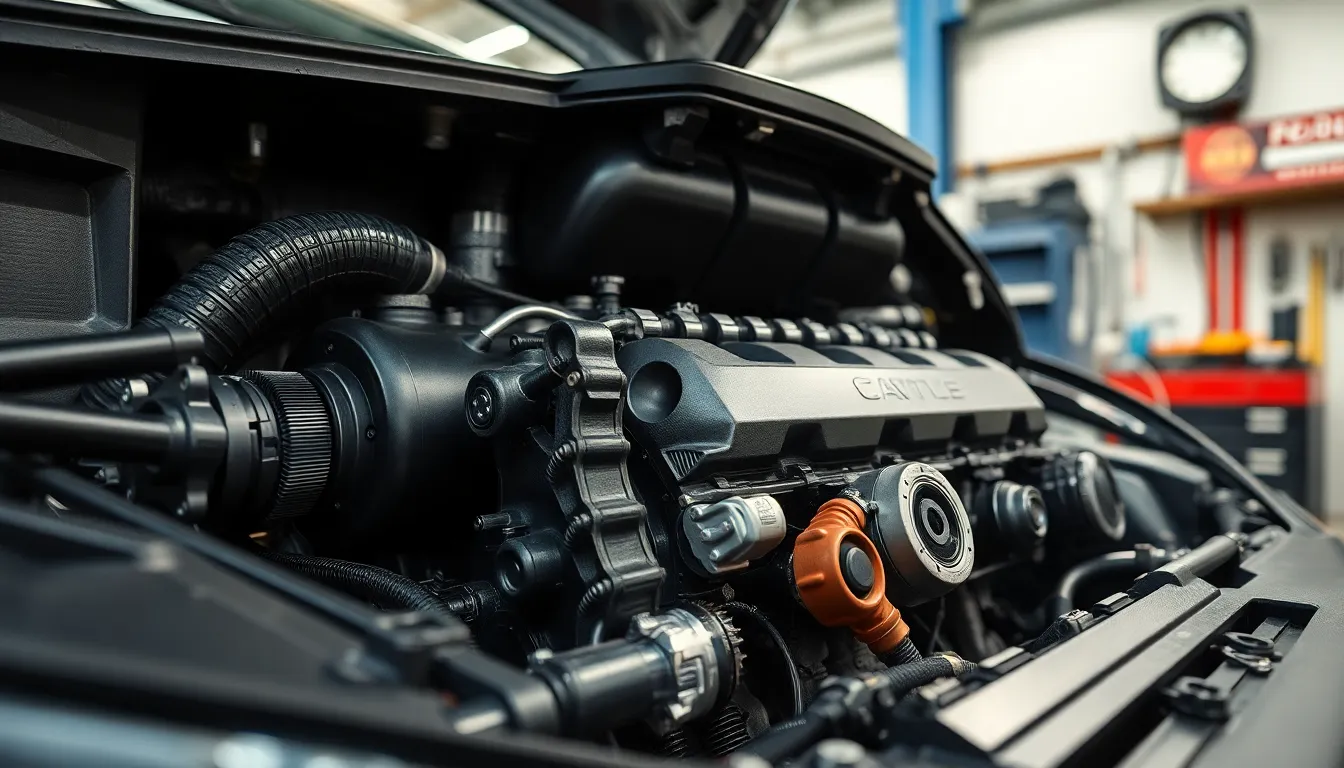
Various factors contribute to car reliability, directly impacting consumer decisions and overall satisfaction. These elements include build quality and maintenance requirements, both crucial to understanding a vehicle’s long-term performance.
Build Quality
Manufacturers’ attention to detail affects build quality, influencing reliability outcomes. High-quality materials during production result in fewer issues and longer vehicle lifespans. Components that endure regular wear and tear tend to perform better over time. Additionally, robust design and engineering processes contribute to a vehicle’s durability, establishing trust with potential buyers. Structural integrity in critical areas helps minimize repairs and enhances safety ratings. Car buyers should review build quality where it aligns with user experiences elaborated in reliability reports.
Maintenance Requirements
Maintenance requirements significantly affect a car’s reliability, influencing ownership experiences. Models with straightforward schedules often lead to fewer unexpected repairs. Regular services are vital for maintaining performance and preventing breakdowns. A history of low maintenance needs correlates with higher reliability ratings. Consumer insights reveal that vehicles with accessible parts facilitate easier repairs, reducing downtime. Understanding the balance between maintenance and repairs helps buyers choose models that support longevity and minimize costs. Consumer reports feature maintenance information prominently, ensuring informed decisions.
Top Brands for Reliability
Car reliability remains a pivotal factor when assessing possible purchases. Two brands consistently emerge at the forefront in reliability discussions: Toyota and Honda.
Toyota
Toyota stands out for its unwavering commitment to quality and dependability. User feedback consistently reflects high satisfaction levels regarding durability across various models. The brand’s historical performance showcases a reputation for longevity, with many owners reporting minimal maintenance needs. Notable Toyota models, such as the Camry and Corolla, rank among the highest in reliability ratings according to Consumer Reports. Their engineering employs superior build quality and materials that contribute to fewer issues over time. Additionally, the availability of affordable parts simplifies repairs, making ownership more cost-effective.
Honda
Honda maintains a strong reputation for reliability and performance. Vehicles like the Civic and Accord frequently top reliability rankings, underscored by numerous positive user experiences. Honda’s engineering emphasizes efficiency and durability, ensuring fewer breakdowns and reduced maintenance frequency. Owners appreciate the brand’s straightforward service requirements, which promote longevity. Types of engines used in Honda vehicles are designed for resilience, adding to their reliability. Overall, Honda’s commitment to quality has resulted in a loyal customer base that values dependability for everyday driving.
Common Issues in Various Models
Car models often face specific reliability issues that can impact long-term performance. Toyota models, while praised for durability, may experience transmission problems in the RAV4. Honda vehicles generally enjoy strong reliability ratings, but the CR-V has reported issues with the air conditioning system.
Nissan models such as the Altima can encounter engine complaints, particularly with excessive oil consumption. In contrast, Ford’s F-150, despite its popularity, sometimes suffers from electrical and transmission troubles reported by owners. Reliability issues don’t exist solely in one segment; luxury brands also face challenges. BMW, for instance, has been noted for high maintenance costs, with electrical systems often requiring repairs.
Chevrolet’s Silverado pickup is another vehicle that has garnered attention due to problems with its ignition system. Subaru models, particularly the Outback, have experienced head gasket failures, affecting reliability over time. Research indicates that brands like Kia and Hyundai show improvement, but the Sportage and Elantra may still face brake and engine concerns.
Consumer feedback reveals how vital it is to address these common issues when evaluating car reliability. Detailed reviews can highlight specific model weaknesses, assisting buyers in making informed choices. Prioritizing reliability means focusing on vehicles with minimal complaints and higher satisfaction ratings, guiding prospective owners through the complexities of choosing their next car.
Customer Feedback and Ratings
Customer feedback plays an essential role in evaluating car reliability. Reviews often reflect real experiences from owners, providing insights into common issues and overall satisfaction with a vehicle. Ratings from reputable sources like Consumer Reports and J.D. Power aggregate this feedback, offering a reliable summary of a car’s dependability.
Many owners praise Toyota models like the Camry and Corolla for their outstanding reliability, frequently citing minimal maintenance needs and longevity. The Honda Civic and Accord receive similar accolades, with users highlighting fuel efficiency and durability. Such consistent positive reviews contribute to these brands’ strong reputations in the market.
Conversely, some models face criticism due to reported reliability concerns. For instance, the RAV4 has experienced transmission problems, impacting customer satisfaction. The CR-V has had air conditioning issues while the Altima struggles with excessive oil consumption complaints. These negative experiences from owners show the importance of thorough research before making a purchasing decision.
Users also note the significance of accessibility in repair processes. Vehicles that allow for easy repairs typically result in a more satisfying ownership experience. Satisfaction arises from fewer unexplained breakdowns and manageable repair costs.
Reliability ratings reflect real-world experiences, linking feedback to overall performance metrics. When prospective buyers prioritize these insights, they make more informed choices, leading to better long-term satisfaction. Overall, customer ratings and feedback form a critical part of understanding vehicle reliability, reinforcing the need for continued exploration of automotive reviews.
Car reliability reviews are crucial for anyone looking to make a smart vehicle purchase. They provide insights that go beyond flashy features and help buyers focus on what truly matters—dependability. By exploring these reviews, prospective owners can uncover which models stand the test of time and which ones might lead to headaches down the road.
With a wealth of information from real owners and trusted sources, these reviews shed light on common issues and maintenance needs. Ultimately, prioritizing reliability ensures a more satisfying ownership experience and can save money in the long run. Making informed choices based on reliability reviews will lead to a more rewarding journey on the road.