

So, you’ve just parked your car like a pro, but alas, a rogue shopping cart or a careless cyclist has left you with a glaring scratch. Don’t panic. Fixing that car scratch isn’t an impossible mission: it just requires a bit of know-how. This guide will walk you through everything, from identifying the type of scratch to assessing the damage and tackling repairs like a champ. Who knew fixing car scratches could be both straightforward and, dare we say, fun? Let’s jump into the world of automotive scratches without getting too scratched ourselves.
Understanding Car Scratches
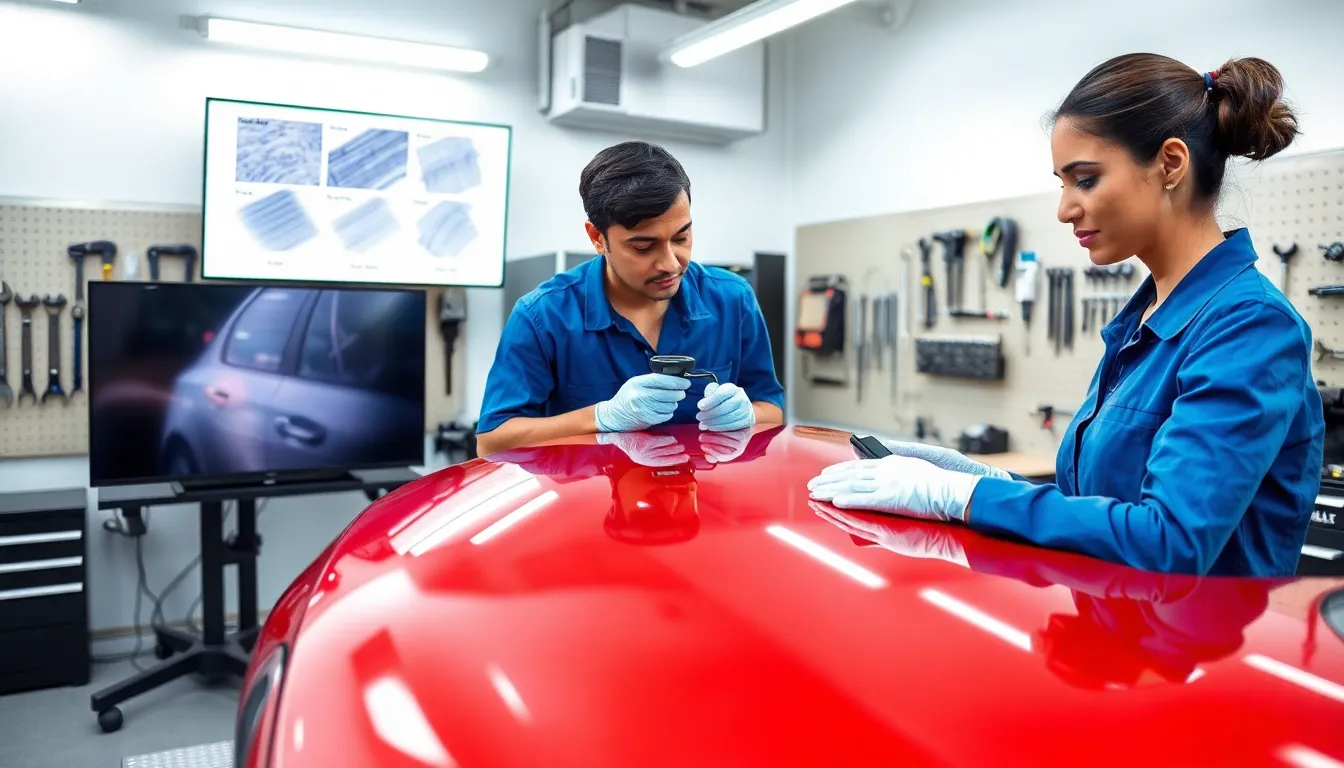
Types of Car Scratches
Scratches on cars come in various forms, and understanding these types is the first step to effective repair.
- Clear Coat Scratches: These are often the most minor kind. They only affect the clear coat layer, meaning the paint underneath is intact. You might not even see them unless you look closely.
- Paint Scratches: When the scratch digs deeper and exposes the paint, this is a paint scratch. Depending on the depth, these can usually be fixed without too much hassle.
- Primer Scratches: If a scratch goes beyond the paint and down to the primer layer, you’re in a bit more trouble. But fear not.
- Metal Scratches: The worst kind. These expose the bare metal underneath, leading to potential rust issues if not addressed.
Common Causes of Car Scratches
So, how do these pesky scratches even happen? There are a multitude of reasons:
- Shopping Carts: The notorious enemy of every parking lot.
- Brushes and Trees: Bushes might look innocent, but they can do a number on your vehicle’s exterior.
- Fingers and Keys: Yes, we all have that one friend who can’t resist running their fingers along the car.
- Repairs and Potholes: Sometimes, accidents happen while trying to avoid a pothole.
Understanding these causes can help you better protect your car in the future.
Assessing the Damage
Before starting any repair, it’s essential to assess the damage thoroughly. Step back and look at the scratch under different lighting conditions. This can help determine how deep the scratch is and what repairs might be necessary.
Gently run your fingers over the scratch: Does it feel rough or smooth? This tactile check helps identify if it’s just a surface scratch or something more severe. If you see metal and the scratch feels deep, it’s a sign to gear up for more extensive repairs.
Step-by-Step Guide to Fixing Scratches
DIY Methods for Minor Scratches
Got a minor scratch? Here’s how to handle it like a pro:
- Wash the Area: Clean off any dirt and debris. Use soap and water for best results.
- Dry Thoroughly: Make sure the area is completely dry before applying any products.
- Use a Scratch Remover: Apply a small amount of scratch remover to a soft cloth and rub it into the scratch in a circular motion.
- Buff the Area: Once the scratch remover is applied, use another clean, dry cloth to buff the area until it shines.
- Seal It Up: For added protection, consider applying a coat of wax over the area.
Using Scratch Repair Kits
For slightly deeper scratches, a repair kit can be a game changer. Here’s how to use one effectively:
- Read the Instructions: Each kit is different. Familiarize yourself with the contents and instructions.
- Clean: Again, start with a clean surface to work on.
- Apply the Filler: Using the provided applicator, fill in the scratch. Allow it to dry as per the kit instructions.
- Sand and Polish: Some kits require sanding the dried filler for a smooth finish. Follow up with the polishing compound included to blend in the repair.
Professional Repair Options
When to Seek Professional Help
If the scratch is severe or if you’re dealing with multiple scratches, seeking professional help might be the way to go. Consider this: a skilled technician can often repair damage far quicker than you can, and they have access to tools and materials that can restore your car’s exterior to its shiny glory. When in doubt, consult with a professional to gauge whether DIY is a viable option.
Preventing Future Scratches
Once you’ve dealt with the scratches, think ahead to prevent new ones. Here are some handy tips:
- Parking Smart: Choose your parking spots wisely. Avoid tight areas with lots of foot traffic.
- Car Covers: If you park outside frequently, consider investing in a high-quality car cover.
- Routine Maintenance: Keep your car clean and waxed regularly. A well-maintained car is more resistant to scratches.