
Car restoration isn’t just a hobby; it’s a thrilling adventure that transforms rusting relics into gleaming masterpieces. Imagine taking a tired old vehicle and breathing new life into it, all while channeling your inner automotive Picasso. Whether it’s a classic muscle car or a vintage convertible, every restoration project tells a story and gives a nod to the glorious past of automotive engineering.
Overview Of Car Restoration
Car restoration encompasses various processes aimed at returning vehicles to their original condition or enhancing them for modern use. Enthusiasts often restore classic cars, muscle cars, or vintage convertibles, breathing new life into these cherished machines. Each restoration project showcases the owner’s passion, skills, and commitment to preserving automotive history.
In general, car restoration involves several key steps. Mechanical repairs address issues with the engine, transmission, and other components. Bodywork includes repairing, repainting, or replacing panels to achieve a showroom finish. Interior restoration focuses on revitalizing seating, dashboard elements, and other cabin features.
Timing can vary significantly across projects. Some restorations take months while others extend to several years, depending on the vehicle’s condition and the owner’s goals. Resources play a vital role in execution too. Access to tools, parts, and knowledgeable individuals greatly influences the restoration timeline.
Many car restoration projects culminate in participation at shows or competitions. These events provide an opportunity to showcase craftsmanship and connect with fellow car enthusiasts. Additionally, connections within the community foster learning and collaboration among restorers.
Vehicle history significantly enhances the restoration experience. Understanding a car’s story often guides design and repair choices, ensuring the finished product reflects its origins. In essence, car restoration celebrates creativity, craftsmanship, and the legacy of automotive engineering.
Types Of Car Restoration
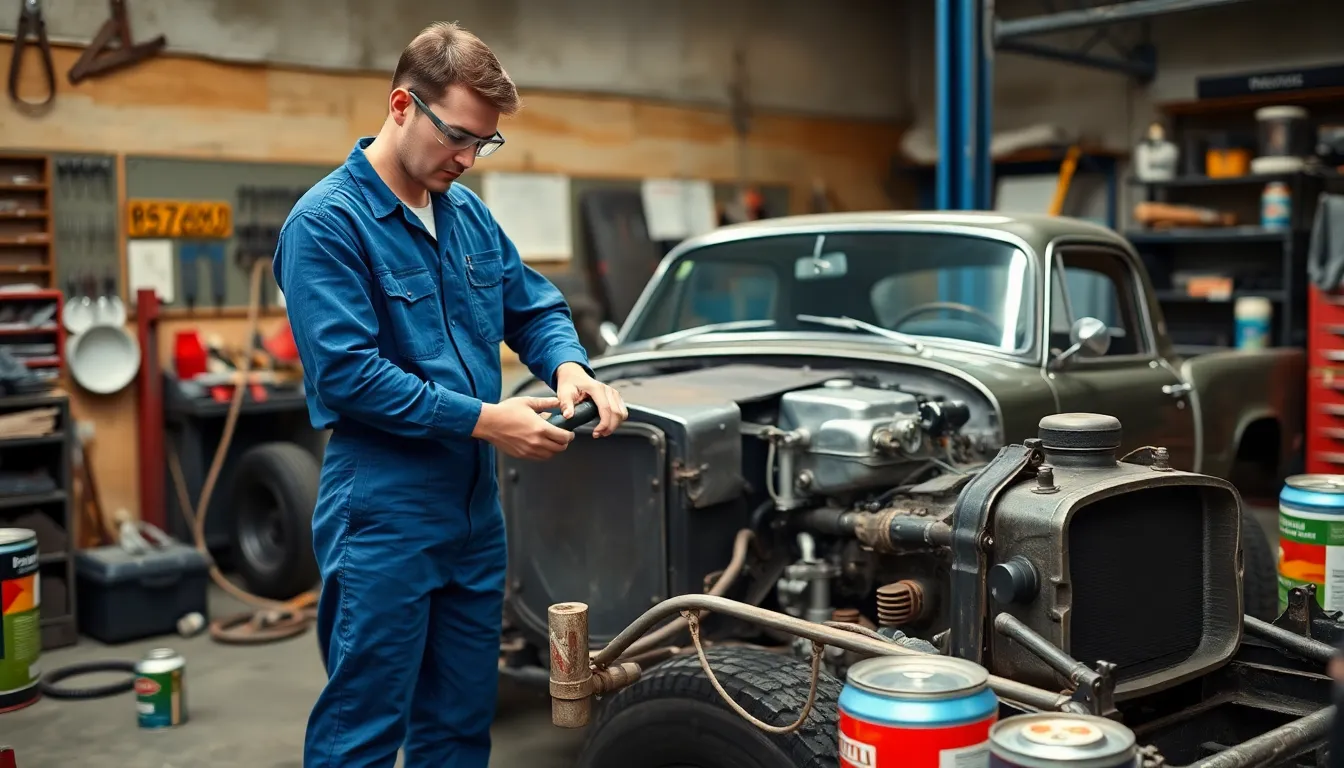
Car restoration involves various approaches, each catering to specific goals and preferences of enthusiasts.
Full Restoration
Full restoration aims to bring vehicles back to their factory specifications. Every aspect receives attention, including engine, body, and interior. Typically, this process requires extensive time and investment. Restorers meticulously replace or repair parts to ensure authenticity. They often source original components to maintain historical accuracy. This comprehensive approach results in vehicles that not only look stunning but also perform like new. Such projects appeal to collectors seeking to showcase pristine examples of automotive history.
Partial Restoration
Partial restoration focuses on key areas rather than the entire vehicle. Restorers often prioritize mechanical components and aesthetic elements that need the most attention. This method allows enthusiasts to enjoy their vehicles without fully committing to a major project. Customization plays a role, with personal touches enhancing the vehicle’s appeal. Owners can choose to restore specific parts while retaining original features. It suits those who wish to balance functionality and preservation with budget considerations in mind.
Custom Restoration
Custom restoration tailors vehicles to the owner’s vision, blending personal style with performance upgrades. This unique approach often includes modifications that modernize classic designs. Restorers frequently incorporate advanced technology and improved materials. Customization allows for a wide range of changes, from new paint jobs to powertrain enhancements. Each project expresses the owner’s identity, resulting in one-of-a-kind vehicles. This type of restoration attracts individuals seeking both performance and aesthetic appeal in their classic rides.
Key Steps In Car Restoration
Car restoration involves several essential steps that ensure the completed vehicle stands out. Following these steps creates a rewarding experience for restorers and results in beautifully transformed cars.
Initial Assessment
Assessing the vehicle’s condition forms the foundation of successful restoration. It involves inspecting the body, mechanical parts, and interior components for damage or wear. Determining the extent of restoration required allows restorers to create an effective plan. Prioritizing repairs helps allocate resources and budget effectively. Gathering all relevant vehicle history, including previous repairs and modifications, aids in making informed decisions throughout the process.
Parts Sourcing
Sourcing parts can significantly impact the restoration timeline and budget. Various options exist for obtaining quality components, including aftermarket suppliers, salvage yards, and online marketplaces. Contacting specialty shops often yields original equipment manufacturer (OEM) parts or hard-to-find items. Building relationships with reputable suppliers is vital for securing consistent and quality components. Consideration of both cost and quality leads to informed purchasing decisions, ultimately affecting the restoration’s success.
The Restoration Process
The restoration process unfolds in several stages, each critical for achieving the desired outcome. Mechanical repairs typically occur first to ensure the vehicle runs smoothly. Next, bodywork addresses any rust or dents, allowing for a fresh paint job. Interior revitalization often follows, enhancing comfort and aesthetic appeal. Each phase requires attention to detail and adherence to the planned scope. Collaboration among skilled craftsmen can lead to exceptional results and a rewarding restoration journey.
Tools And Equipment Needed
Car restoration requires specific tools and equipment that streamline the process. Hand tools such as wrenches, sockets, and screwdrivers form the backbone of any restoration garage.
Pneumatic tools enhance efficiency, making tasks like sanding, grinding, and painting quicker and smoother. Examples of pneumatic tools include air compressors and impact wrenches, which help with heavy-duty tasks.
Power tools also play a vital role. When restoring bodies, electric sanders and drills ensure precision and minimize physical strain. Utilizing a torque wrench is essential for crucial mechanical work, ensuring bolts meet the required specifications.
Safety equipment shouldn’t be overlooked. It’s essential to use safety glasses, gloves, and respirators when working with chemicals or during sanding processes. A well-ventilated workspace further protects restorers from harmful fumes, especially during painting.
Alongside tools, having quality equipment is necessary. Welding machines enable restorers to make durable repairs on car bodies, while hydraulic lifts provide easy access to vehicles from below.
Storage solutions enhance organization. Toolboxes and shelving ensure that tools and parts stay neatly arranged and easily accessible.
Assessing specific project needs drives the selection of equipment and tools. Classic muscle cars might require different tools than vintage convertibles due to varying design complexities.
Investing in high-quality tools often pays off, leading to improved results and enhanced satisfaction throughout the restoration journey.
Cost Considerations
Car restoration involves various costs that can vary widely based on several factors. The type of restoration chosen significantly influences the budget. Full restoration typically requires more resources than partial or custom restoration options.
Labor costs represent a major portion of the overall expense. Hiring skilled craftsmen can lead to higher quality results but also adds to the budget. Hefty fees often accompany specialized work, such as welding or paint jobs. Material and part sourcing should also be considered, as original parts often cost more than aftermarket alternatives.
Restoring a vintage car can involve unexpected expenses. Hidden issues like rust or mechanical failures may arise during the restoration process, necessitating additional repairs and funding. A thorough initial assessment can help forecast potential costs and minimize surprises.
Timeframes can affect costs as well. Projects that extend beyond the initial estimate may incur extra labor charges. Budget-conscious restorers might opt for a gradual restoration approach, spreading expenses over an extended period. This strategy allows for better financial management.
Using higher-quality tools often results in better outcomes. Investing in excellent equipment can enhance efficiency and reduce long-term costs through improved durability. Prioritizing quality can also mitigate future maintenance expenditures.
An effective budget plan outlines all foreseeable expenditures. He or she should account for labor, parts, tools, and unexpected costs. Maintaining a detailed budget throughout the project will aid in achieving financial goals while ensuring the car restoration journey remains enjoyable.
Car restoration is a fulfilling journey that combines creativity and technical skill. It allows enthusiasts to breathe new life into classic vehicles while honoring their rich histories. Each restoration project is a unique expression of passion and dedication that showcases the craftsmanship involved.
With careful planning and a clear understanding of costs and timelines, anyone can embark on this rewarding adventure. Whether opting for a full restoration or a custom approach, the satisfaction of transforming an old car into a stunning masterpiece is unparalleled. Embracing this process not only preserves automotive heritage but also connects restorers to a vibrant community of like-minded individuals who share a love for classic cars.