In a world where gas prices rise faster than a caffeinated squirrel, green cars are stealing the spotlight. These eco-friendly rides are not just saving the planet; they’re also giving drivers a reason to smile at the pump. With sleek designs and innovative technology, going green has never looked so good—or so fun!
Overview of Green Cars
Green cars represent a significant advancement in automotive engineering designed to reduce environmental impact. Electric vehicles (EVs) emit no tailpipe pollutants, offering a cleaner alternative to traditional gasoline-powered vehicles. Hybrids combine a conventional engine with an electric motor, enhancing fuel efficiency while decreasing emissions. Plug-in hybrids allow for extended electric-only driving, providing flexibility for longer trips.
Sustainable materials play a crucial role in the production of green cars. Many manufacturers utilize recycled materials in cabin designs and body panels, contributing to resource conservation. Innovative battery technology advances continuously, increasing range and reducing charging times. Models frequently feature regenerative braking systems, capturing energy otherwise lost during braking.
In terms of performance, green cars often boast impressive acceleration. The instant torque from electric motors provides a thrilling driving experience that rivals conventional sports cars. While they emphasize efficiency, many green models prioritize comfort through advanced infotainment systems and spacious interiors.
The economic benefits associated with these vehicles are noteworthy. Government incentives, such as tax credits or rebates, encourage adoption, making green cars more accessible to consumers. Fuel savings contribute significantly to lower overall ownership costs, especially with fluctuating gas prices.
Ownership rates for green cars have surged over the past decade. In 2022, nearly 10% of all new car sales in the United States were electric or hybrid vehicles. As infrastructure for charging continues to grow, convenience improves for electric vehicle owners. Increasing consumer awareness around climate change drives further interest in adopting green vehicles.
Benefits of Going Green

Green cars offer valuable benefits, particularly in curbing pollution and enhancing fuel efficiency.
Environmental Impact
Green vehicles play a crucial role in reducing harmful emissions. Electric vehicles produce zero tailpipe pollutants, greatly contributing to cleaner air. In contrast, hybrids improve fuel efficiency and lower emissions. Sustainable materials used in manufacturing underscore a commitment to environmental responsibility. Innovations such as regenerative braking also elevate the impact of these vehicles. By adopting green technologies, society can combat climate change effectively.
Economic Advantages
Economic benefits accompany the adoption of green cars. Government incentives often reduce the initial purchase costs for electric and hybrid vehicles. Fuel savings contribute significantly over time, with many drivers experiencing decreased monthly fuel expenses. Enhanced resale value adds another layer of financial attractiveness. By 2022, nearly 10% of new car sales in the U.S. were electric or hybrid, highlighting a shift toward economically savvy choices. Improved charging infrastructure further enhances accessibility, making these vehicles more appealing.
Types of Green Cars
Green cars fall into several categories, each offering unique features and benefits that contribute to sustainability.
Electric Vehicles
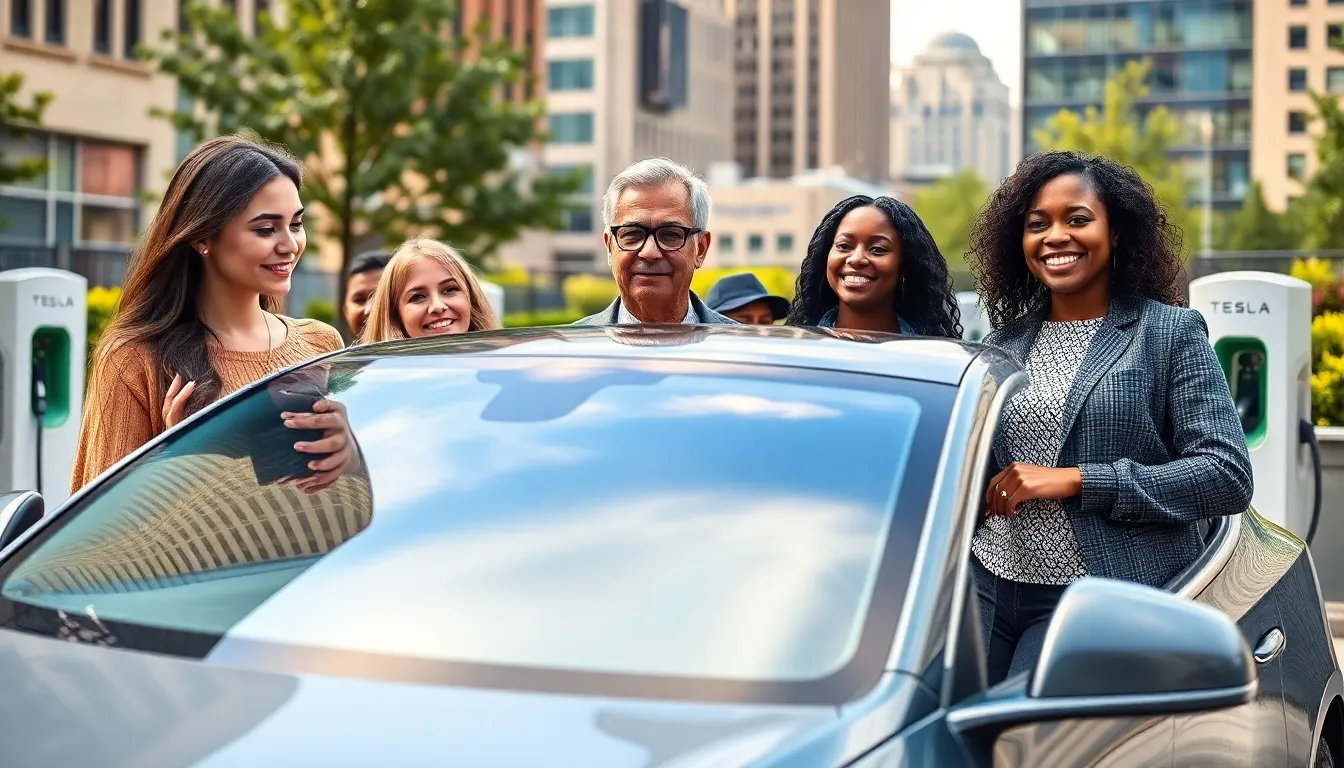
Electric vehicles, or EVs, run solely on electricity stored in batteries. They produce no tailpipe emissions, promoting cleaner air. The instant torque provided by electric motors contributes to impressive acceleration, making them fun to drive. Models like the Tesla Model 3 and Nissan Leaf lead the market in terms of availability and performance. Charging infrastructure is improving rapidly, with many public charging stations now easily accessible. Lower operating costs further enhance their appeal as they require less maintenance than conventional vehicles.
Hybrid Vehicles
Hybrid vehicles combine traditional internal combustion engines with electric motors. This dual system achieves significant fuel efficiency gains and reduces harmful emissions. Many hybrids feature regenerative braking, which converts kinetic energy back into battery power during braking. Popular examples include the Toyota Prius and Honda Insight, both of which offer excellent mileage. Advanced technology allows them to seamlessly switch between power sources, optimizing efficiency in various driving conditions. Increased awareness of fuel economy drives more consumers toward hybrids daily.
Hydrogen Fuel Cell Vehicles
Hydrogen fuel cell vehicles utilize hydrogen gas to generate electricity, emitting only water vapor as a byproduct. These vehicles are considered zero-emission options, contributing to environmental benefits. Cars like the Toyota Mirai offer long ranges comparable to gasoline vehicles, appealing to drivers hesitant about EVs due to range anxiety. Infrastructure for hydrogen refueling is still developing, which can limit availability in certain areas. Furthermore, fuel cells provide quicker refueling times than battery electric vehicles, enhancing convenience for users. Interest in hydrogen technology continues to grow as the industry seeks cleaner energy solutions.
Key Features to Consider
When evaluating green cars, specific features make a significant difference in overall value and performance.
Battery Life and Range
Battery life stands as a crucial metric for electric vehicles. Many models showcase ranges exceeding 300 miles on a single charge, enhancing usability for daily commutes and long trips. A diverse selection of battery technologies exists, including lithium-ion and solid-state batteries. These options improve energy density, meaning vehicles can travel further without frequent recharges. Understanding individual driving habits helps drivers choose vehicles that align with their needs, ensuring satisfaction.
Charging Infrastructure
Access to charging stations greatly impacts the convenience of owning an electric vehicle. Over 46,000 charging stations operate across the United States, providing ample opportunities for recharging. Fast-charging facilities offer quick options, delivering 80% charge in under 30 minutes. Drivers may consider charging networks and membership plans that provide cost-effective access. Evaluating the availability of home chargers also plays a vital role in making informed decisions.
Safety Ratings
Safety ratings significantly influence consumer choices and perceptions. Numerous green vehicles earn high marks from the National Highway Traffic Safety Administration and the Insurance Institute for Highway Safety. Features like advanced driver-assistance systems, lane-keeping assistance, and automatic emergency braking enhance overall safety. Drivers benefit from reviewing crash test results, which provide insight into how well a vehicle may perform in real-world scenarios. Prioritizing safety aspects ensures peace of mind while driving eco-friendly cars.
Recent Green Car Models Reviewed
The market offers many new green car models, each with distinct advantages and drawbacks. This section explores two notable vehicles, examining their pros and cons.
Model A: Pros and Cons
Model A delivers impressive electric range, allowing for approximately 350 miles on a single charge, which caters to long-distance drivers. Its fast-charging capability provides about 80% charge in 30 minutes, enhancing convenience in daily use. Advanced safety features, including automatic emergency braking and lane-keeping assist, contribute to high safety ratings. However, some drawbacks exist. Its price point remains higher than traditional models, which may deter budget-conscious consumers. Limited cargo space also poses a challenge for those needing extra room for belongings.
Model B: Pros and Cons
Model B showcases exceptional fuel efficiency, achieving over 50 miles per gallon in combined city and highway driving. The hybrid design offers a seamless transition between electric and gasoline power, optimizing performance in various conditions. Additionally, its occupancy comfort, featuring spacious seating and a user-friendly infotainment system, attracts many users. On the downside, the acceleration doesn’t match that of fully electric competitors, which might disappoint those seeking sporty performance. Furthermore, the hybrid battery usually requires replacement after several years, adding potential long-term costs.
The rise of green cars marks a pivotal shift in the automotive landscape. With their blend of performance and sustainability, these vehicles are not just a trend but a viable choice for the future. As consumers become more environmentally conscious, the demand for electric and hybrid models will likely continue to grow.
Innovations in technology and infrastructure are making it easier than ever to adopt green vehicles. By choosing a green car, drivers can enjoy economic benefits while contributing to a healthier planet. The future of transportation is green, and it’s an exciting time for those ready to embrace it.